
Joint Injections
How injection therapy may help
Injection therapy aims to reduce pain and inflammation in and around a joint or tendon. It usually starts to work within a few days, with the full effect by around two to three weeks. For many people it opens a window of comfort to move more, sleep better and get the most from their rehab. How long it lasts varies from person to person.
Possible Side Effects and Risks
Matt will talk these through with you at your appointment, and they're also covered in the consent video.
- Common: a flare of pain for 24 to 48 hours; facial flushing for a day or two; a temporary rise in blood sugar in people with diabetes.
- Uncommon: thinning or paler skin at the injection site; changes to periods.
- Rare: tendon weakening; infection.
- Very rare: allergic reaction.
The treatment may also not help, or may help less than hoped.
Recovery and aftercare
- Rest for 15 minutes in the clinic before you leave
- Rest the area for 24 to 48 hours, then gradually return to normal use
- Avoid heavy or repetitive use for about two weeks, unless your rehab clinician advises otherwise
- Ice (wrapped) and simple painkillers can help with any flare
- Keep the plaster on and the area dry for 24 hours: no swimming, bath or hot tub
- Avoid vaccinations for two weeks
- Keep going with your rehab exercises
Seek urgent help (NHS 111, your GP or A&E) if pain, heat, redness or swelling gets worse after 48 hours, or if you feel feverish or unwell.
Call 999 for any difficulty breathing or swelling of the face, lips or throat.
Repeat injections
One area is treated per appointment, with at least two weeks before another area. The same area can be injected no more than three times in a year, at least three months apart, and only if the previous injection genuinely helped.
Results vary
Injection therapy isn't suitable for everyone, and results vary from person to person. Your clinician will discuss all your options, including the benefits, risks and alternatives, at your consultation.
Move Freely
Joint pain consultation £35
Joint Injection £129 per area
Shoulder, hip, knee, wrist or hand pain getting in the way of the things you love?
Clinician-led injection therapy, planned alongside your rehab, could help you get moving again.
Start with a relaxed 20-minute consultation with Matt Holmes, Advanced Clinical Practitioner with over 21 years of NHS experience. He'll listen, examine you properly and talk you through your options honestly, whether that's an injection, physiotherapy or something else. Already been referred by a physiotherapist or clinician? Matt will review your referral and send you a link to book straight in.
We treat
- Frozen shoulder
- Shoulder impingement
- AC joint pain
- Outer hip pain (Bursitis)
- Knee arthritis
- Carpal tunnel syndrome
- De Quervain's Tenosinovitis (Texter's Thumb / Mother's Thumb)
- Trigger finger
- Thumb base arthritis. (CMC Arthritis)
Injection therapy isn't suitable for everyone and results vary. Your clinician will discuss all your options.
Joint Injections: Condition Information
Shoulder

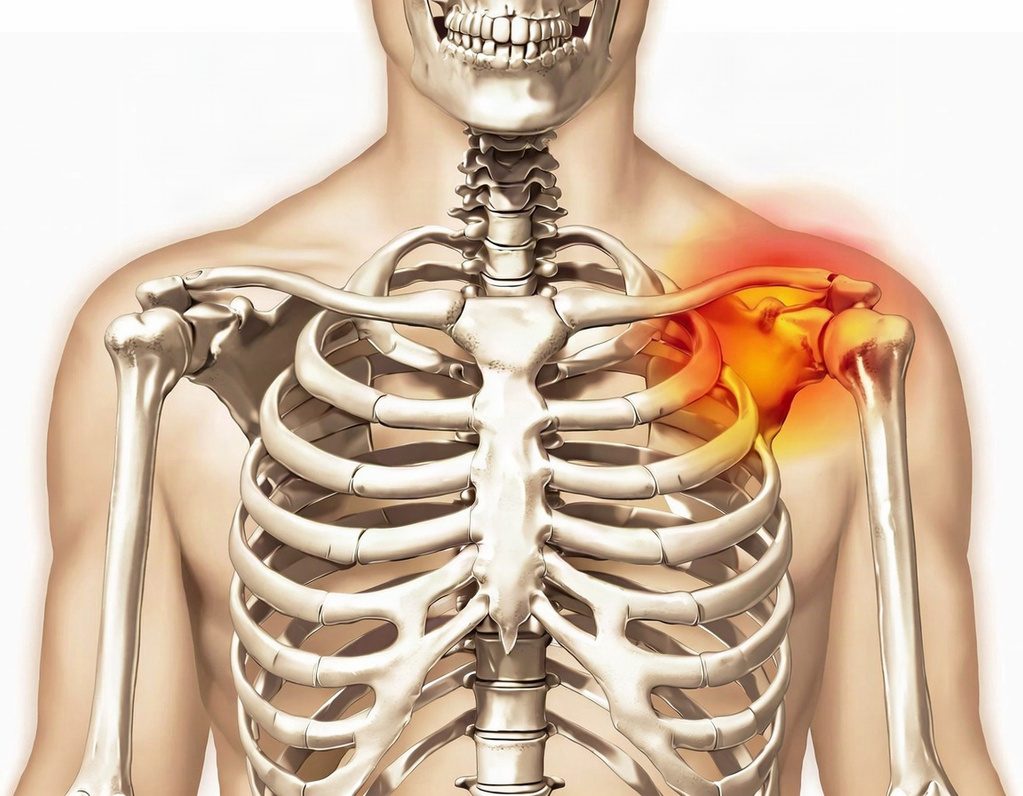
AC joint pain
What it is: wear, strain or arthritis in the small joint on top of the shoulder, where the collarbone meets the shoulder blade.
Common symptoms:
- Pain on the very top of the shoulder, often in one spot you can point to
- Pain reaching across your body, lifting overhead or lying on that side
- Tenderness or a small bump over the joint
How injection therapy may help: by settling pain in the joint, making everyday movements more comfortable and giving you a window to strengthen the shoulder.
Good to know: it's a small joint, so the injection is quick and uses a very small amount.
Recovery: rest the shoulder for 24 to 48 hours, then ease back into normal use. Avoid heavy pushing, pressing or overhead lifting for about two weeks, then build up with your exercises.

Frozen shoulder
What it is: the lining of the shoulder joint becomes inflamed, tight and thickened, gradually limiting movement. It's more common between 40 and 60, and in people with diabetes or thyroid problems.
Common symptoms:
- A painful, stiff shoulder that won't move far in any direction, especially turning the arm outwards
- Aching that's often worse at night
- Difficulty with everyday tasks such as dressing, reaching behind your back or doing your hair
How injection therapy may help: by easing pain, particularly in the early, painful stage, so you can sleep better and keep the shoulder moving with gentle exercises.
Good to know: frozen shoulder often improves on its own over one to three years. Injection therapy aims to make that journey more comfortable, not to replace your exercises.
Recovery: gentle, comfortable movement from the next day, then keep up your range-of-movement exercises. The shoulder may still feel stiff even when pain improves; that's expected.

Shoulder impingement (subacromial pain)
What it is: irritation of the tendons and a small cushion (bursa) under the top of the shoulder, often linked to rotator cuff strain.
Common symptoms:
- Pain lifting your arm, especially between shoulder and head height
- Pain reaching overhead, putting on a coat or lying on that side
- An ache down the outside of the upper arm
How injection therapy may help: by calming the irritation so you can do the strengthening exercises that tackle the underlying cause.
Good to know: sudden weakness after an injury (unable to lift the arm) needs a different, urgent assessment, not an injection.
Recovery: rest for 24 to 48 hours, then start or continue your shoulder strengthening programme. Avoid heavy or repetitive overhead activity for about two weeks.
Hip and Knee
Outer Hip Pain (GTPS)
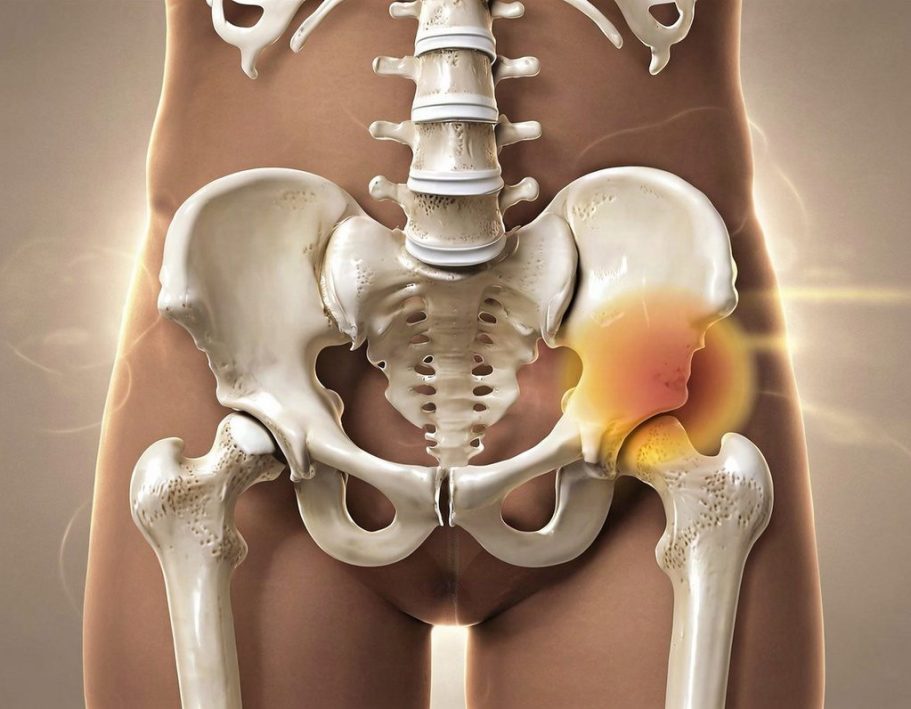
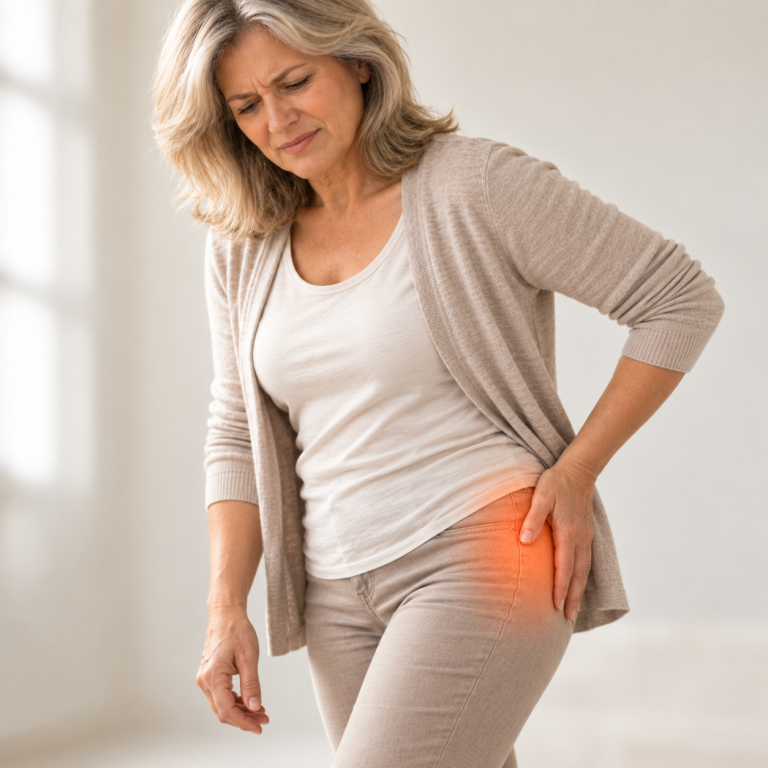
What it is: Greater Trochanter Pain Syndrome. An irritation of the tendons and cushion (bursa) on the bony point on the outside of the hip. Sometimes called hip bursitis, it's common in people over 40, and more common in women.
Common symptoms:
- Pain on the outside of the hip, sometimes spreading down the outer thigh
- Pain lying on that side at night
- Pain climbing stairs, getting out of a car or standing on one leg
How injection therapy may help: by easing pain so you can sleep more comfortably and get going with the strengthening exercises that help most in the long term.
Good to know: pain in the groin, or a stiff hip that's hard to turn, may come from the hip joint itself, which needs a different assessment.
Recovery: rest for 24 to 48 hours. Avoid lying on that side, crossing your legs or standing with your weight on one hip, and build up your hip strengthening exercises over the following weeks.
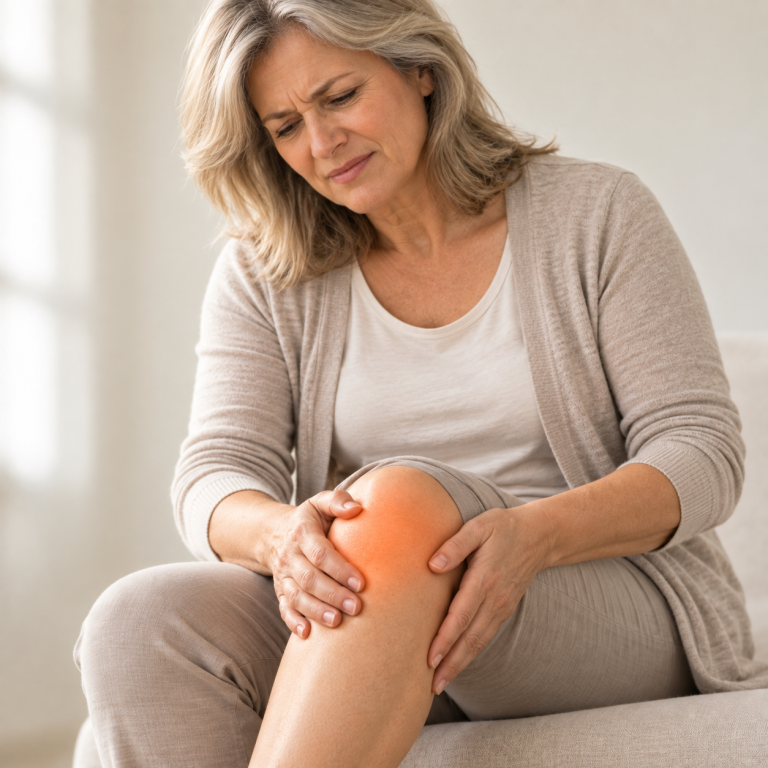
Knee arthritis
What it is: wear-and-repair changes in the knee joint, very common from middle age onwards.
Common symptoms:
- An aching, stiff knee, worse with walking, stairs or after sitting
- Stiffness in the morning that eases within about half an hour
- Occasional swelling, creaking or a feeling of the knee being "weaker"
How injection therapy may help: by giving short-term relief from pain, so you can stay active and keep up the exercises that protect the knee.
Good to know: exercise and strengthening remain the most important long-term treatment for knee arthritis. An injection works best as part of that plan.
Recovery: rest for 24 to 48 hours, then gradually return to walking and your exercises. Avoid long walks, running or heavy activity for about two weeks.
Wrist and Hand
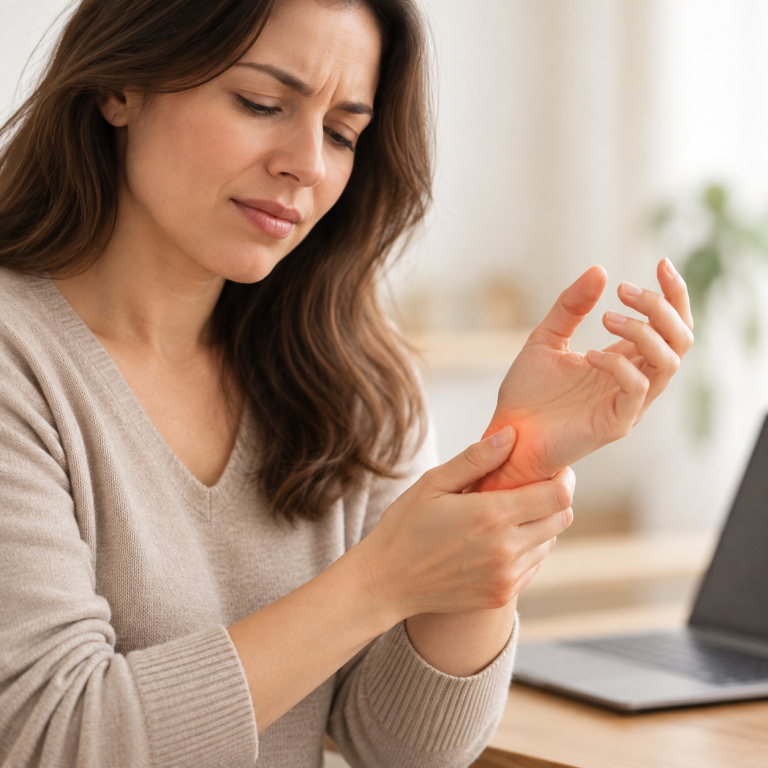
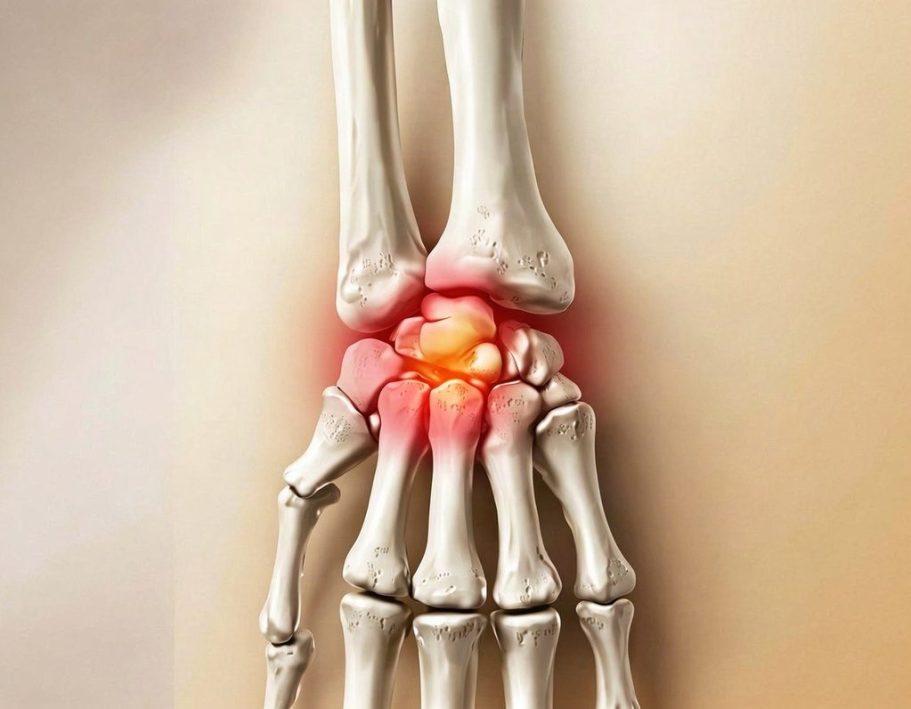
Carpal tunnel syndrome
What it is: the median nerve is squeezed as it passes through a narrow tunnel at the front of the wrist. It's more common in pregnancy, diabetes and thyroid problems, and with repetitive hand use.
Common symptoms:
- Tingling, pins and needles or numbness in the thumb, index and middle fingers
- Symptoms that wake you at night and ease when you shake your hand
- Dropping things or a weaker grip
How injection therapy may help: by reducing the swelling around the nerve, easing tingling and night-time symptoms. It's often used alongside a night-time wrist splint.
Good to know: constant numbness, or wasting of the muscle at the base of the thumb, needs nerve tests and a specialist opinion rather than an injection.
Recovery: rest the hand for 24 to 48 hours and wear your wrist splint at night if advised. Tingling may briefly worsen before it settles.
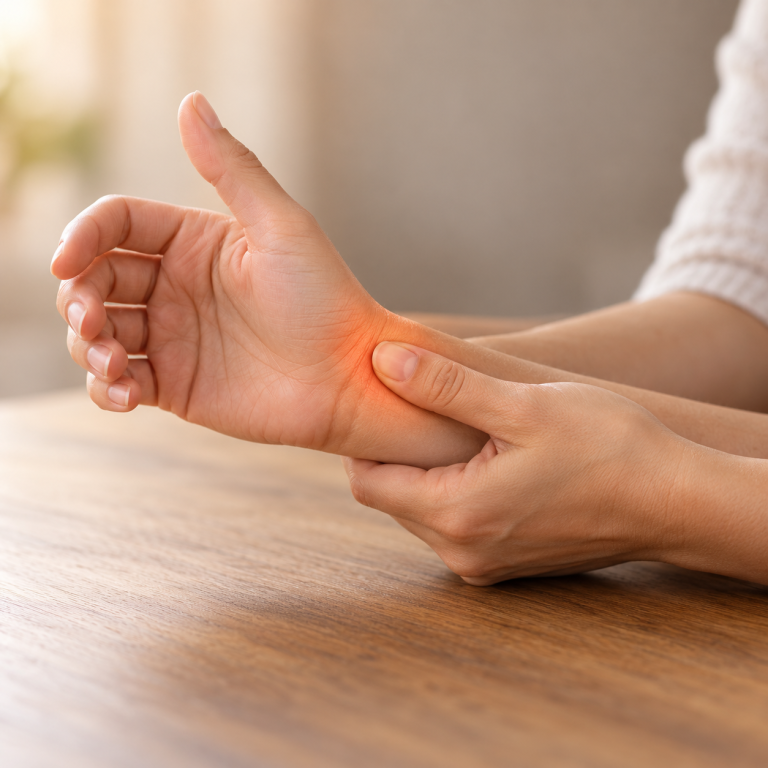
De Quervain's tenosynovitis
What it is: irritation of the two tendons that run along the thumb side of the wrist. Very common in new parents lifting babies, and with repetitive gripping.
Common symptoms:
- Pain and tenderness at the thumb side of the wrist
- Pain gripping, lifting, pouring or turning a key
- Sometimes mild swelling over the area
How injection therapy may help: by calming the irritated tendons so everyday gripping becomes more comfortable. It's often combined with a thumb splint.
Good to know: this is a shallow area, so skin thinning or paler skin at the injection site is a little more likely here than elsewhere.
Recovery: rest the wrist for 24 to 48 hours and wear your thumb splint if advised, then gradually return to gripping and lifting.
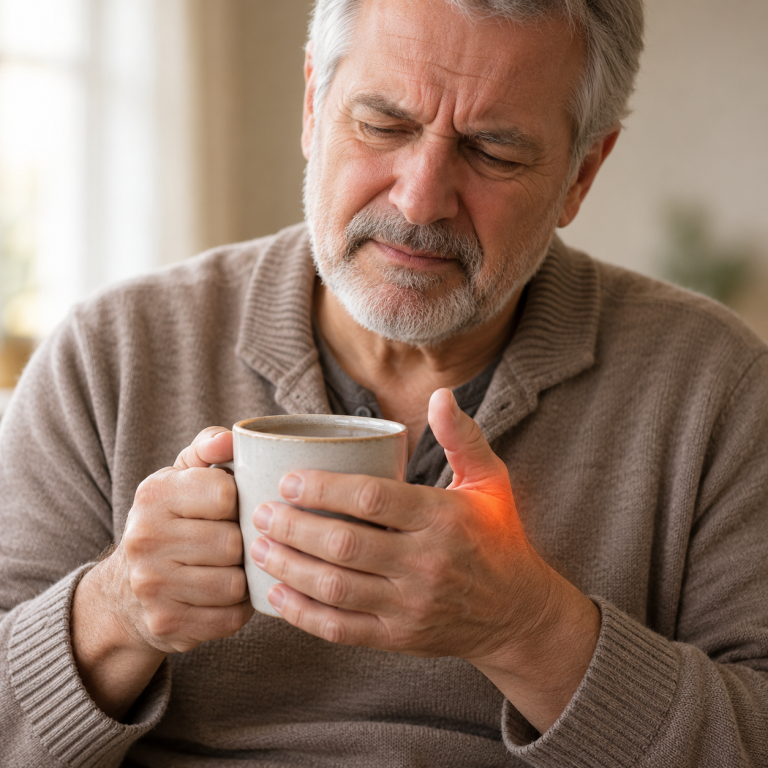
Thumb base arthritis
What it is: wear in the joint at the base of the thumb, very common from middle age, especially in women.
Common symptoms:
- Aching at the base of the thumb
- Pain when pinching, gripping, opening jars or turning keys
- Weakness or stiffness in the thumb
How injection therapy may help: by easing pain in the joint so everyday tasks become more comfortable, often alongside a thumb splint and joint protection advice.
Good to know: it's a small joint, so the injection uses a very small amount and can feel briefly uncomfortable.
Recovery: rest the thumb for 24 to 48 hours, use a thumb splint if advised, and ease back into normal use.
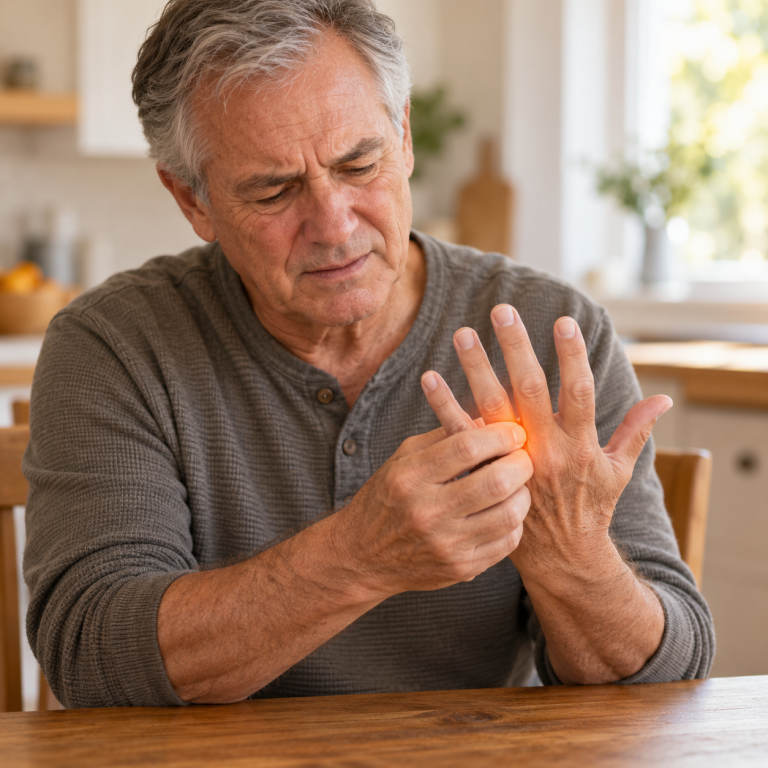
Trigger finger or thumb
What it is: a thickened tendon catches in its tunnel at the base of the finger or thumb. It's more common in people with diabetes.
Common symptoms:
- A finger or thumb that clicks, catches or locks when you bend it
- A tender lump in the palm at the base of the finger
- Stiffness, often worse first thing in the morning
How injection therapy may help: by reducing swelling around the tendon so it can glide more smoothly.
Good to know: a finger locked in a bent position that can't be straightened needs a hand surgery opinion.
Recovery: keep the hand moving gently, avoid heavy gripping for a few days, and use a finger splint if advised.